
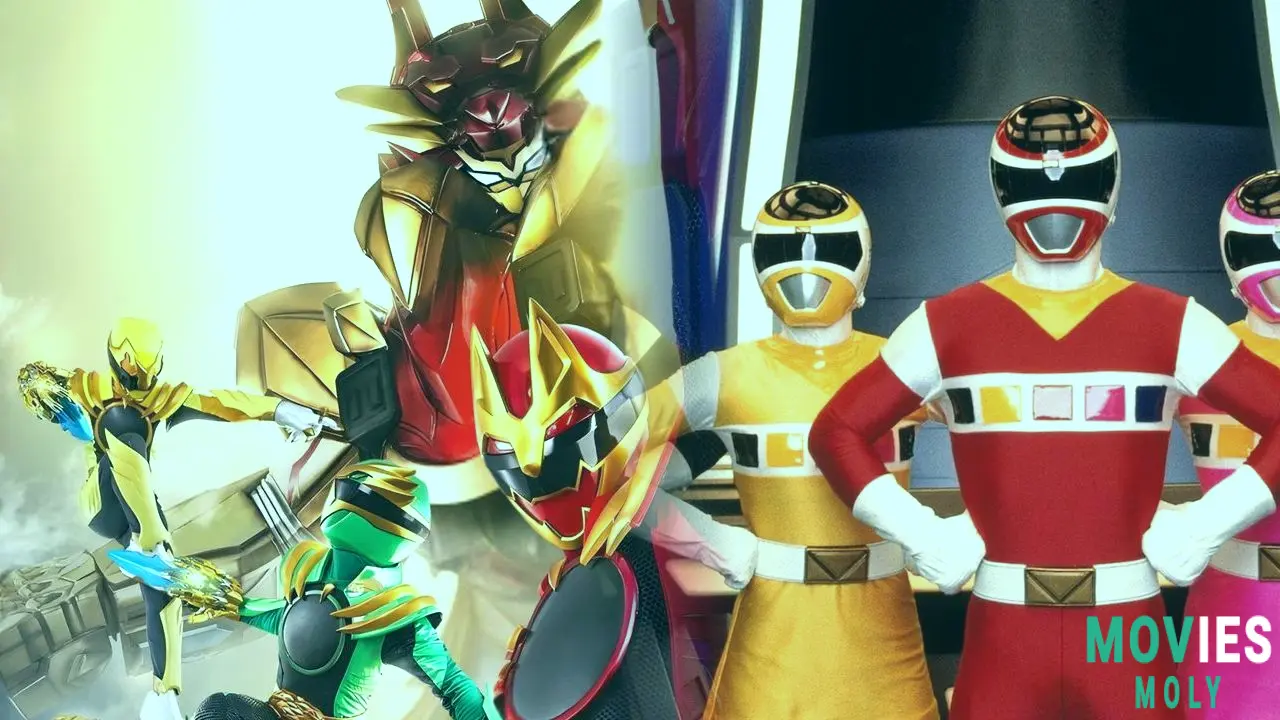
Hold onto your helmets, tokusatsu fans! Reports out of Japan are dropping some bombshell news: the legendary Super Sentai series, the very inspiration for our beloved Power Rangers, is reportedly gearing up for its final bow after five incredible decades of heroics. But is this truly goodbye, or are we just witnessing a mighty morph into something entirely new?
TL;DR: The Quick Scoop on Super Sentai's Reported End- Multiple Japanese news outlets are reporting that the iconic Super Sentai series will conclude its 50-year run with its currently airing season, No. 1 Sentai Gozyuger.
- The primary reason cited for this unexpected end is that the show's production costs have reportedly surpassed the revenue generated from merchandise, events, and related media.
- Despite widespread reports, there has been no official statement from Toei or TV Asahi, leaving fans and industry observers wondering if this is a true cancellation or a strategic rebrand for the future of the franchise.
The legendary Japanese Super Sentai series, inspiration for Power Rangers, is reportedly ending its 50-year run due to financial woes. Discover what this means for the future of superhero TV and whether a new hero might rise.
Unpacking the Shocking News: Is Super Sentai Really Powering Down?

Alright, let's talk about the big elephant in the room. If you've been scrolling through your favorite tokusatsu news feeds, you've probably seen the headlines: "Super Sentai is ending!" It’s true, several reputable Japanese news sources, including Kyodo News, Oricon News, and The Sankei Shimbun, have reported that the franchise, a staple of Japanese television since 1975, is wrapping things up.
Specifically, the word is that No. 1 Sentai Gozyuger, which only just premiered in February 2025 as a commemorative 50th-anniversary series, will be the very last installment. This news has definitely sent shockwaves through the fan community, sparking a mix of disbelief, sadness, and a whole lot of questions.
Here’s the kicker, though: as of right now, neither Toei Company, the studio behind Super Sentai, nor TV Asahi, its longtime broadcaster, have made any official public announcement. TV Asahi, when asked, simply declined to comment on "future programming." This radio silence from the official channels has only fueled the rumor mill, making us all wonder if there's more to this story than meets the eye.

Big TV shake-up in Miami! Channel 7 WSVN is the new ABC affiliate after WPLG Local 10 and ABC part ways. Find out why and what it means for your favorite shows on MoviesMoly.
The Reported Reasons Why Super Sentai Might Be Calling It Quits
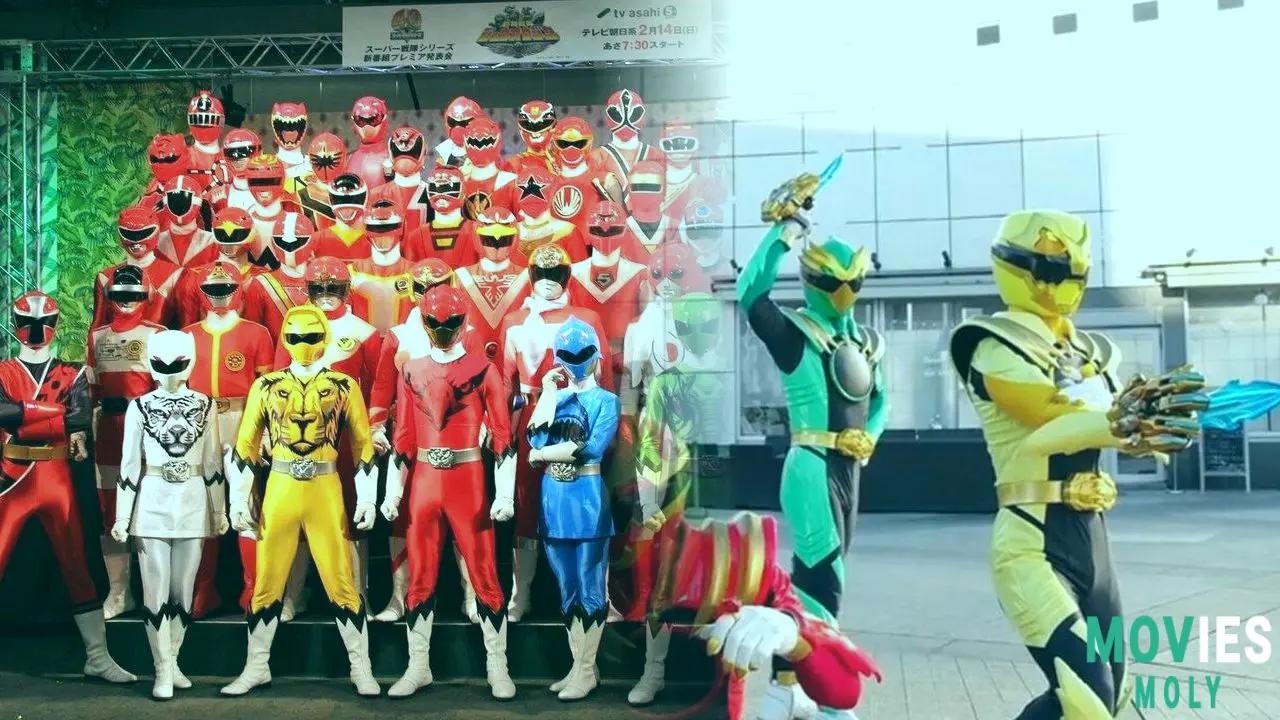
So, why would a franchise with such a rich history and a global fanbase suddenly pull the plug? According to these reports, it all comes down to money. Sources familiar with the production are pointing to declining revenues from merchandise sales, themed events, and movie adaptations. Essentially, the massive costs involved in producing these action-packed series – think intricate suit designs, elaborate sets, special effects, and a new cast every year – are no longer being covered by what the franchise brings in.
It's a tough pill to swallow, especially when you consider how integral Super Sentai has been to the toy industry, with each new team and their giant robots ("mechas" in Japan, or "Zords" to Power Rangers fans) serving as a powerful advertisement for Bandai's latest creations. In an age of rapidly changing media consumption and the rise of streaming, perhaps the traditional model just isn't cutting it anymore.
One article also hinted that Toei underwent a "restructuring" at the start of the month, suggesting that Super Sentai might have been an unfortunate casualty of corporate changes. While that's pure speculation at this point, it does add another layer to the potential reasons behind this monumental decision.

After nearly 12 years and 40 seasons, Food Network's beloved weekend talk show 'The Kitchen' is airing its final episode in December. Discover why it's ending, what the hosts are saying, and where to relive your favorite culinary moments.
A Legacy of Live-Action Heroes: Remembering Super Sentai's Incredible Journey
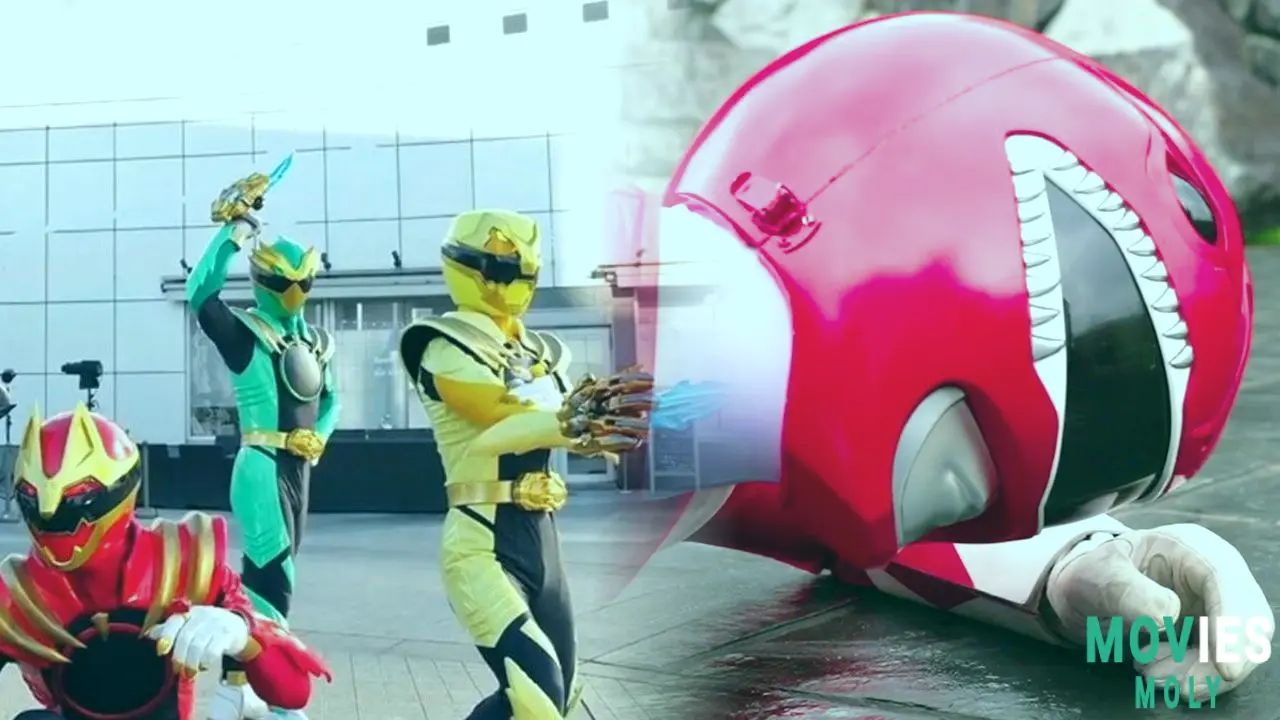
Fifty years is a heck of a run for any TV show, let alone one that reinvents itself with new heroes annually! Super Sentai kicked off its incredible journey way back in 1975 with Himitsu Sentai Gorenger (known abroad as Five Rangers). The series introduced a groundbreaking formula: a team of five color-coded teens who transform into masked fighters to battle evil, often piloting giant robot vehicles to take down equally giant monsters.
This genius concept was largely the brainchild of the legendary manga artist Shotaro Ishinomori, who also gave us the iconic Kamen Rider and Cyborg 009. After a brief hiatus in 1978, when Toei partnered with Marvel Comics to create a Japanese Spider-Man series (which, fun fact, introduced the idea of a giant robot that would then influence Super Sentai!), the franchise returned in 1979 with Battle Fever J and has delivered a new team of heroes almost every single year since. That's 49 distinct series, with Gozyuger being the latest!
Beyond the explosions and epic battles, Super Sentai has served as a launchpad for countless Japanese actors, becoming a stepping stone to bigger roles in film and TV. Stars like Tori Matsuzaka, Yuki Yamada, and Ryusei Yokohama all got their start in colorful spandex. Actress Keiko Kitagawa and actor Yasuhisa Furuhara, both former Sentai performers, shared their sadness and pride respectively on social media upon hearing the news.
It's been more than just a TV show; it's a cultural phenomenon. For generations of Japanese kids, it taught lessons of teamwork, courage, and justice. For fans outside Japan, it opened a gateway to Japan's vibrant superhero culture, even inspiring popular shows like Choudenshi Bioman and Hikari Sentai Maskman to gain cult followings after being dubbed in places like the Philippines.

Lester Holt recently said goodbye to NBC Nightly News after ten years as anchor. We are looking at his reasons for leaving and his future at Dateline.
What This Might Mean for Our Western Heroes, The Power Rangers
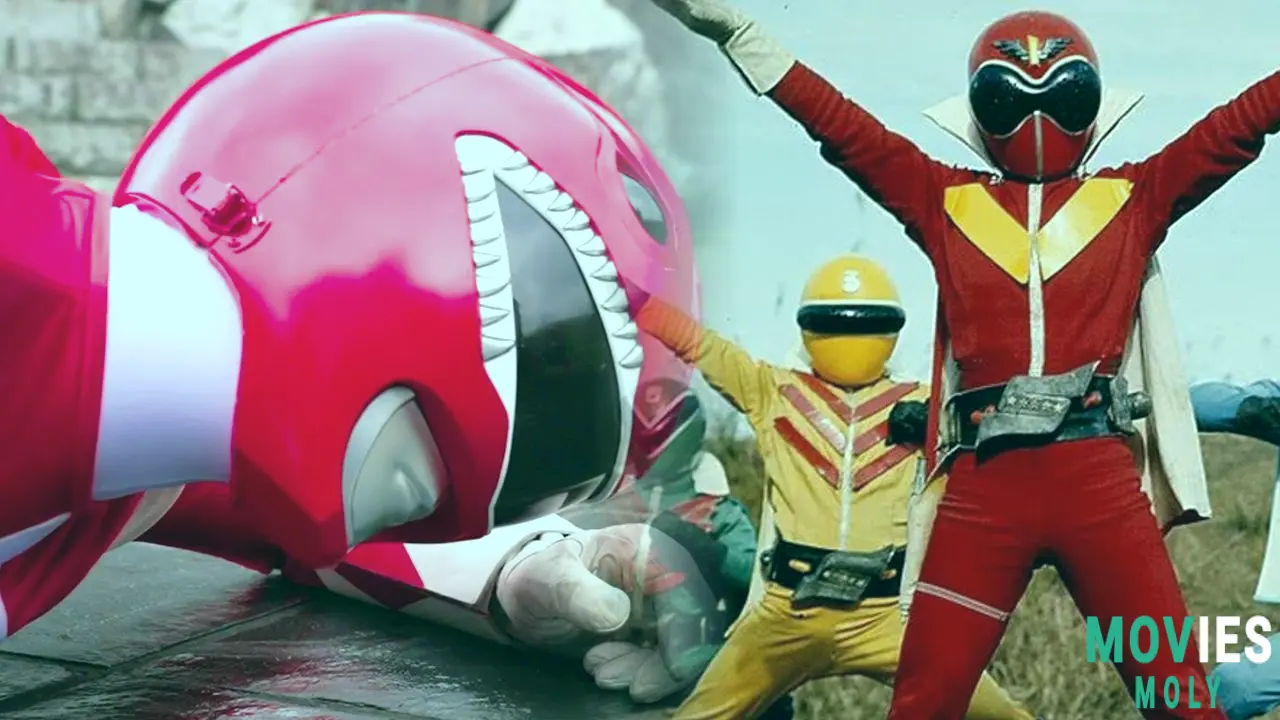
Now, let's address the elephant-sized mecha in the room for many Western fans: the Power Rangers. Since 1993, the American Power Rangers franchise has famously (or infamously, depending on who you ask) relied on Super Sentai for its action footage, suit designs, and monster costumes, creatively editing them with new scenes featuring unmasked Western actors to create its own distinct storylines.
If Super Sentai truly ends, it leaves Power Rangers in a fascinating, if precarious, position. Hasbro, the current owners of the Power Rangers brand, has already been moving away from direct Sentai adaptations. Their latest series, Power Rangers Cosmic Fury (which wrapped up the main timeline for the American franchise), was the first to use entirely new costume designs not sourced from Super Sentai. Plus, 2024 was the first year without any new Power Rangers episodes since the Mighty Morphin' era began.
There's currently a new Power Rangers live-action series in the works at Disney+, with Jonathan E. Steinberg and Dan Shotz set to showrun. Interestingly, reports from March 2025 stated that Toei Company (the creators of Super Sentai) won't be involved in this Disney+ reboot. This suggests Hasbro and Disney+ are already planning a completely original take, independent of the Japanese source material. While it might seem like a natural evolution for the American franchise, the reported end of Super Sentai still marks the symbolic closing of an era for both halves of this global phenomenon.

The Rookie's Nathan Fillion talks about the latest drama for Nolan and Harper fan theories and what's next for Officer Nolan and Bailey. Get all the scoop on MoviesMoly!
Is This Truly The End, Or Just A Mighty Morphing Makeover for the Franchise?
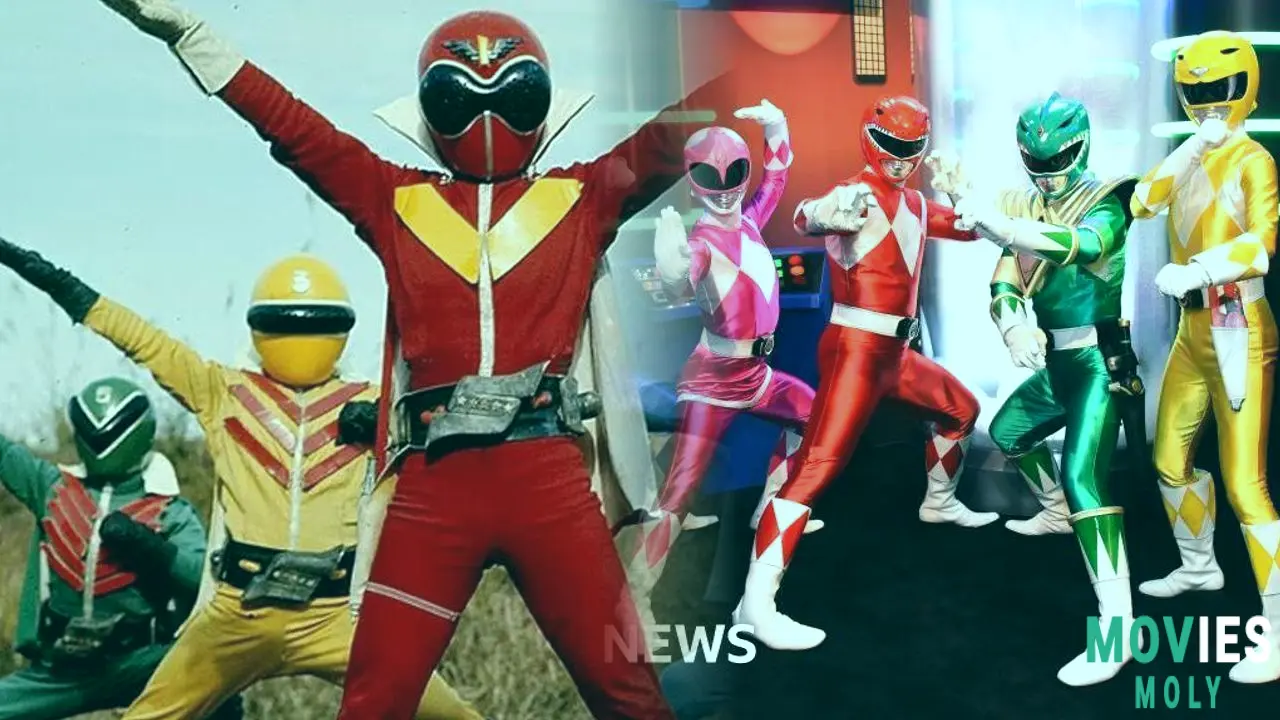
Here’s where things get interesting, and a little hopeful for some fans. Despite the dire reports, many in the tokusatsu community are expressing skepticism that Toei would simply abandon such a popular and profitable franchise entirely. Could it be a "Henshin" (transformation) rather than an outright "Sayonara"?
There's been a lot of chatter and speculation online, echoing some industry whispers, that Toei might be planning a "soft reboot" or "rebrand" of the franchise. Instead of ending, Super Sentai could simply return under a new name or format, refreshing its identity for a new generation while still delivering that core hero team action.
Adding fuel to this theory is a quote from Super Sentai series producer Shinichiro Shirakura earlier this year (via Daily Sports Online). He hinted at big changes:
"I think Gozyuger is a program that retells the history of Super Sentai, including redefining the warriors of the past. That’s why the 51st series can’t just be an extension of that. I believe the program itself has to move on to the next stage… and we’re currently in the midst of building it!"
— Shinichiro Shirakura, Super Sentai Series Producer
Shirakura's words definitely suggest that while the "Super Sentai" brand might be changing, the spirit of a colorful hero team show from Toei isn't necessarily going away. Some fans speculate that Toei might want to distance itself from the "Super Sentai" name to gain more freedom in marketing the series globally, much like its sibling franchise, Kamen Rider. Kamen Rider has been seeing a surge in international popularity, even offering U.S. simulcasts of its latest series, Kamen Rider Zeztz, for the first time.
The argument is simple: the concept of a hero team is too deeply ingrained in Japanese pop culture and too potentially lucrative to simply vanish. A rebrand could allow Toei to innovate, reduce licensing complexities with Western partners, and potentially tap into new markets. While No. 1 Sentai Gozyuger is currently airing (every Sunday at 9:30 AM JST on TV Asahi) and reportedly has about 17 episodes left, we'll be keeping our eyes peeled for any official announcements that clarify the future of these beloved heroes. Is this really the final curtain call, or just the prelude to an epic new transformation?
Frequently Asked Questions About the Super Sentai Series Finale
When is "No. 1 Sentai Gozyuger" expected to air its final episode?
While an exact final air date hasn't been officially announced by Toei or TV Asahi, reports indicate that No. 1 Sentai Gozyuger will conclude sometime next year (2026), as it's the currently airing series that is reportedly ending the franchise's 50-year run. The series typically airs new episodes every Sunday at 9:30 AM JST on the TV Asahi network.
Where can fans watch "Super Sentai" series?
In Japan, new Super Sentai episodes air weekly on TV Asahi. For international fans, availability varies greatly by region and series. Older seasons can sometimes be found on streaming platforms like Tubi, Shout! Factory TV, or through official DVD/Blu-ray releases from companies like Shout! Factory. Fan communities also often provide avenues to watch subtitled versions, though these are unofficial.
Is this the end of the "Power Rangers" franchise too?
Not necessarily. While Power Rangers traditionally adapted footage from Super Sentai, current owner Hasbro has been moving towards more original content. A new live-action Power Rangers series is reportedly in development for Disney+, with Toei Company (creators of Super Sentai) reportedly not involved. This indicates that while the source material may be ending, the American Power Rangers franchise is planning its own future, albeit a potentially very different one.
Who originally created the "Super Sentai" series?
The Super Sentai series was originally created by the legendary Japanese manga artist and writer Shotaro Ishinomori. He also created other iconic tokusatsu franchises like Kamen Rider and Cyborg 009. His creative vision established the core formula of colorful, transforming hero teams that has delighted audiences for five decades.
Sources
- Kyodo News (via Oricon News and Anime News Network)
- The Sankei Shimbun
- BBC News
- ScreenRant
- CBR
- Bounding Into Comics
- Geek Culture
- Daily Sports Online (quoted by io9 for Shinichiro Shirakura's comments)